Learning About Sustainability Through Everyday Practice
At Trio World School, environmental responsibility is explored through classroom learning as well as practices students can observe and participate in around the campus.
Campus greenery, water conservation, responsible use of resources, waste management and environmental activities give students practical examples of how everyday choices affect the environment.
Our Green Campus initiatives help students understand their surroundings, ask questions and develop responsible habits over time.
Our Key Green Campus Initiatives
Greenery is an important part of the TRIO campus. Trees, plants and landscaped green spaces give students regular contact with nature within the school environment. Planting and biodiversity-related activities also provide opportunities to observe plant life, insects and the relationships that exist within local ecosystems. These experiences support conversations around biodiversity, conservation and the importance of maintaining green spaces.
SDG 13: Climate Action
SDG 15: Life on Land
Water conservation is supported through rainwater harvesting and water-conservation/recharge pits within the campus. These systems provide students with a practical example of how rainwater can be managed and how groundwater recharge can be supported. Water audits also help monitor consumption, identify unnecessary usage or leakage and encourage more responsible use of water.
SDG 6: Clean Water and Sanitation
The school’s Seed Bank gives students an opportunity to collect, preserve and learn about different varieties of seeds. The initiative helps students understand the importance of plant diversity, conservation and the connection between seeds, agriculture and food systems.
SDG 2: Zero Hunger
SDG 15: Life on Land
Students are introduced to responsible waste management through segregation, reuse and recycling activities. TRIO also conducts e-waste collection drives, helping students and families understand why electronic waste needs to be handled differently from regular household waste. These activities encourage students to think about what happens to materials after they are discarded and how waste can be reduced or managed responsibly.
SDG 12: Responsible Consumption & Production
Students and staff are encouraged to reduce unnecessary single-use plastic and use reusable alternatives wherever practical. Everyday choices such as carrying reusable water bottles and bags provide simple examples of how individual habits can reduce waste.
SDG 12: Responsible Consumption
SDG 13: Climate Action
Digital communication through school platforms, emails and e-posters helps reduce unnecessary paper use. Students are also encouraged to reuse materials where appropriate and think carefully about how everyday resources are consumed and discarded.
SDG 12: Responsible Consumption & Production
Energy audits help the school monitor electricity consumption and identify areas where unnecessary use can be reduced. Students are encouraged to understand the value of conserving energy through everyday practices such as switching off lights and equipment when they are not required.
SDG 7: Affordable and Clean Energy
Air-quality awareness gives students opportunities to understand the Air Quality Index (AQI) and discuss factors that contribute to air pollution. Activities around AQI and pollution provide a practical context for conversations about transport, health, cleaner air and the environment.
SDG 3: Good Health & Well-being
SDG 11: Sustainable Cities
Families and staff are encouraged to consider school transport, carpooling, walking or cycling where practical. Reducing individual vehicle journeys can help students understand the relationship between everyday travel choices, traffic and emissions.
SDG 11: Sustainable Cities
SDG 13: Climate Action
Connecting Learning with the Sustainable Development Goals
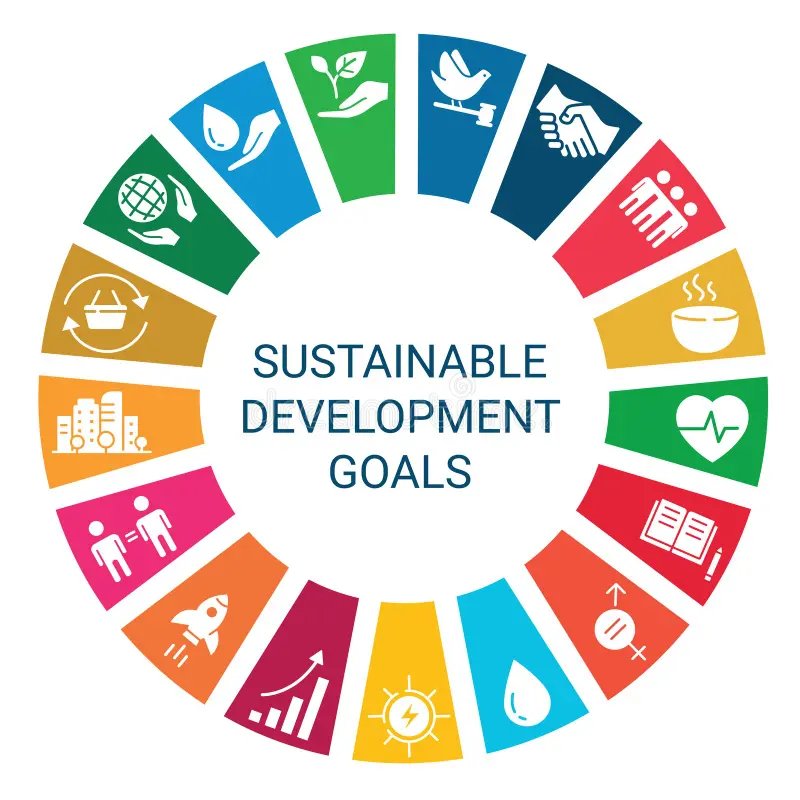
Students are introduced to the United Nations Sustainable Development Goals (SDGs) through age-appropriate classroom projects, assemblies, activities, discussions and school events.
Rather than studying the goals only as individual topics, students are encouraged to connect them with situations they can observe around them.
Water conservation can lead to conversations around SDG 6 – Clean Water and Sanitation. Waste reduction and reuse connect naturally with SDG 12 – Responsible Consumption and Production. Campus greenery and biodiversity support learning around SDG 15 – Life on Land, while discussions on pollution, energy and climate connect with SDGs 7, 11 and 13.
Where relevant, students explore how these global goals relate to actions that can be taken within the school, at home and in the wider community.
Sustainability Through Projects & Activities
Environmental themes are also explored through projects, assemblies, field experiences, campaigns and other learning activities. Students may engage with topics such as:
Climate change
Water conservation
Biodiversity
Waste management
Air pollution
Energy conservation
Responsible consumption
Sustainable communities
The UN Sustainable Development Goals
These activities help students connect environmental concepts with situations they encounter in everyday life.